

History of the Department of Economics
In the autumn of 1999, a conversation took place in Žilina that, in hindsight, proved to be the founding moment of the entire department. The then Rector of the University of Žilina, Prof. Milan Dado, met with Prof. Štefan Cisko, who was just finishing his second term as Vice-Dean for Education. The idea arose to expand the university's portfolio with a separate study programme focused on economics and management — an idea that fit into the broader context of the whole decade: after the division of Czechoslovakia in 1993, the until-then "federal" higher education institution had to transform itself into an institution with a broader educational profile, one that would offer quality socio-economic education, not just technical education, in northwestern Slovakia. Rector Dado brought the idea to the then Dean of the Faculty, Prof. Karol Achimský, and to Prof. Štefan Cisko, who took it on and personally built up the department's staff.
Out of this idea, the Department of Economics was established on 1 July 2000 at the Faculty of Operation and Economics of Transport and Communications — through the separation of the majority of teachers of economic subjects from the faculty's individual profile departments and from the former Department of Social Sciences. The intent was twofold: to bring together the faculty's economists in a single workplace that would oversee the teaching of economic subjects for all of the faculty's profile fields, and, at the same time, to gradually build a standalone study field of purely economic focus in response to growing demand in the region. Its first head was Prof. Štefan Cisko, who drew up the first curriculum and put together the founding team:
From the Department of Road and Urban Transport: Assoc. Prof. Ing. Eva Birnerová, CSc.; Prof. Ing. Štefan Cisko, CSc.; Ing. Anna Križanová, CSc.; Ing. Oľga Poniščiaková; Helena Rychlíková
From the Department of Railway Transport: Ing. Viera Bartošová; Ing. Alžbeta Bieliková; Ing. Darina Chlebíková; Ing. Anna Tomová, CSc.
From the Department of Social Sciences: PhDr. Viera Farkašová, CSc.; PhDr. Helena Janotová, CSc.; Assoc. Prof. Ing. Miloš Sroslík, CSc.; JUDr. Eva Kováčiková
From outside the university: Ing. Pavel Ceniga; Ing. Tomáš Klieštik; Ing. Mikuláš Szilágyi, CSc.
Internal doctoral students: Ing. Andrea Štefanická; Ing. Eva Kicová
Among the young external teachers was also Ing. Tomáš Klieštik — at the time just a beginning teacher, who fifteen years later would go on to take over leadership of the very department he was, at this point, only helping to build.
The beginnings were not easy — the department operated on a very modest budget, barely sufficient for basic office equipment, and without an accredited programme or students of its own, it had no claim to a larger share of the faculty's resources. It was helped by VEGA grants and small contracts for transport and industrial enterprises, as well as by the goodwill of colleagues from other departments. In 2001, on the initiative of Helena Janotová, the international conference Globalisation and Its Socio-Economic Consequences was founded, which gradually developed into one of the most highly regarded scientific events of its kind in Central Europe.
The real turning point came in 2006: the department was granted full accreditation in the field of Business Economics and Management, including the right to conduct habilitation and inauguration proceedings — thereby definitively establishing itself as an independent scientific-research workplace. Years of steady growth followed: VEGA and KEGA grants, international projects, dissertations and habilitation theses, and a growing team.
Prof. Cisko led the department for fifteen years, until 2015, when leadership passed to Prof. Tomáš Klieštik — one of the original external teachers who had been there at its founding in 2000.
Today, a quarter of a century on from that decisive autumn conversation, the department is one of the faculty's core workplaces, offering two accredited study programmes — Business Economics and Management (bachelor's, engineer's, and doctoral level) and Financial Management (bachelor's and engineer's level) — and it also provides teaching in economic, legal, and social subjects across the entire Faculty of PEDAS. The department has educated more than 5,300 graduates, who now work in the economic departments of businesses, in state and public administration, and in commercial organizations; it has trained more than a hundred doctoral graduates, and over the past 25 years its members have completed nearly 20 habilitations and 4 inaugurations to full professorship. From modest beginnings and a handful of dedicated teachers, it has grown into a workplace that is today fully self-sufficient — scientifically, pedagogically, and in terms of personnel.
1999
The Idea to Found the Department
Rector Milan Dado and Prof. Štefan Cisko agreed in conversation on the idea of expanding the university with a standalone study programme focused on economics and management.
1999
2000
Founding of the Department of Economics
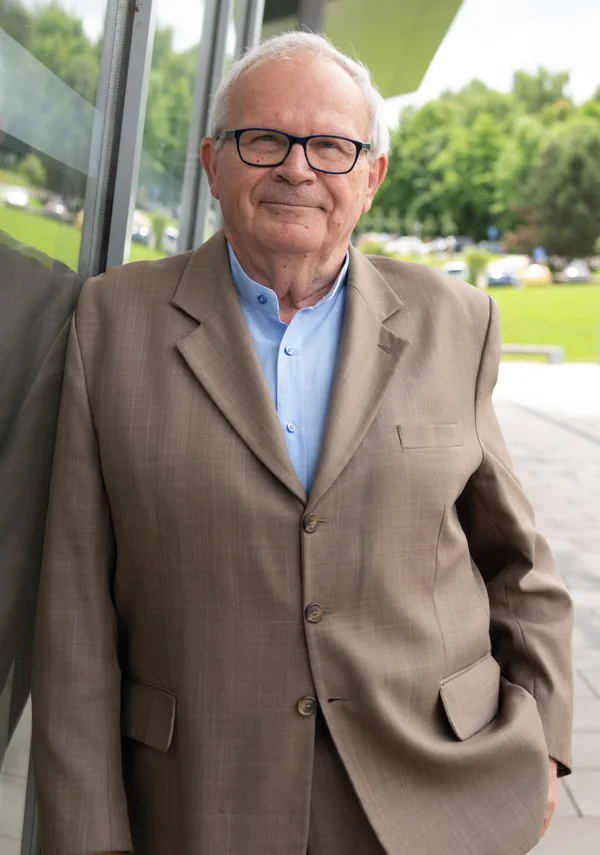
The department was formally established through the separation of teachers from the faculty's profile departments. Its first head was Prof. Štefan Cisko.
2001
International Globalisation Conference Founded
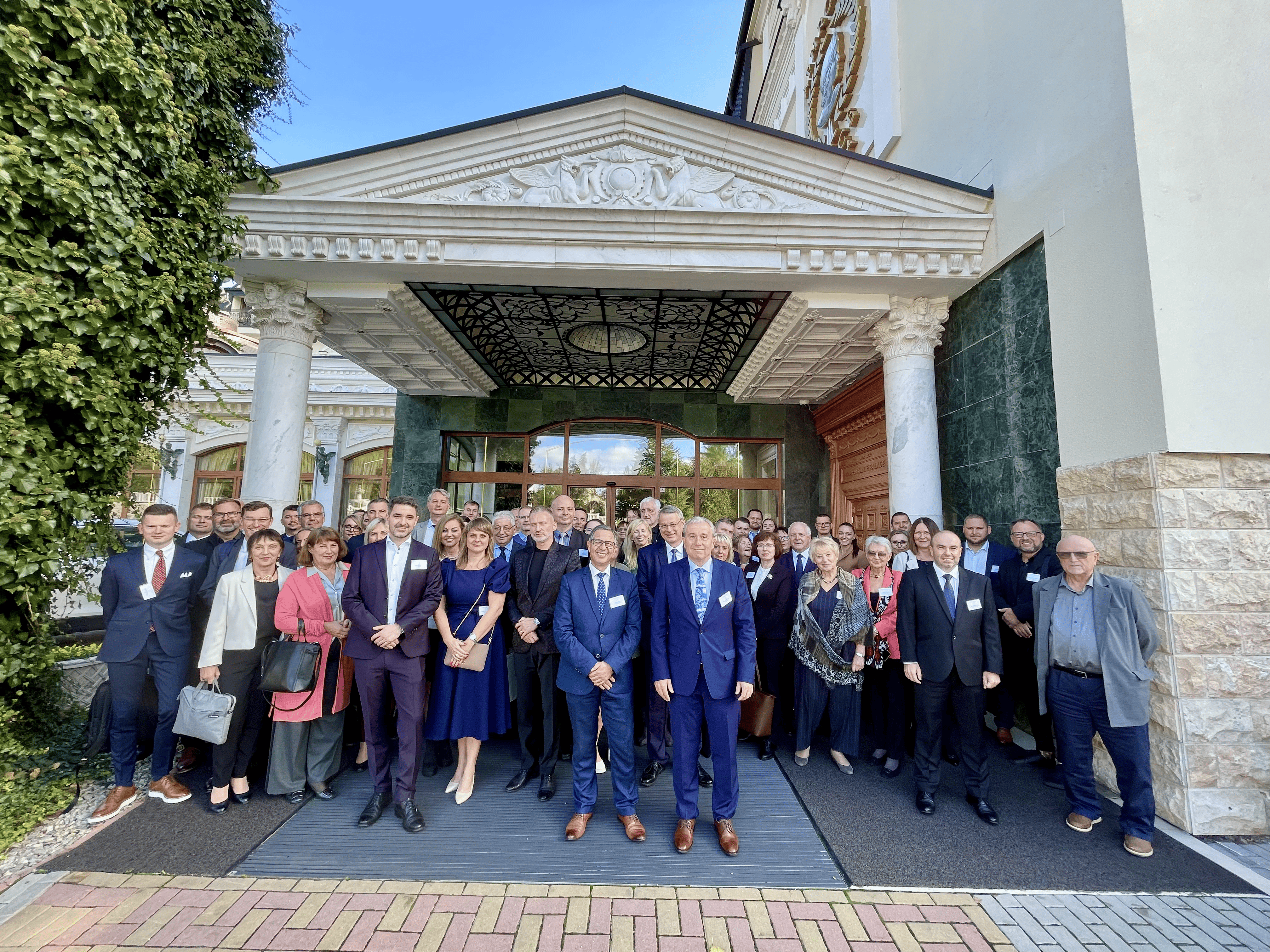
On the initiative of Helena Janotová, the conference Globalisation and Its Socio-Economic Consequences was founded — today one of the most highly regarded events of its kind in Central Europe.
2001
2006
Full Accreditation of the Department
The department was granted full accreditation in the field of Business Economics and Management, including the right to conduct habilitation and inauguration proceedings.
2015
New Head of the Department
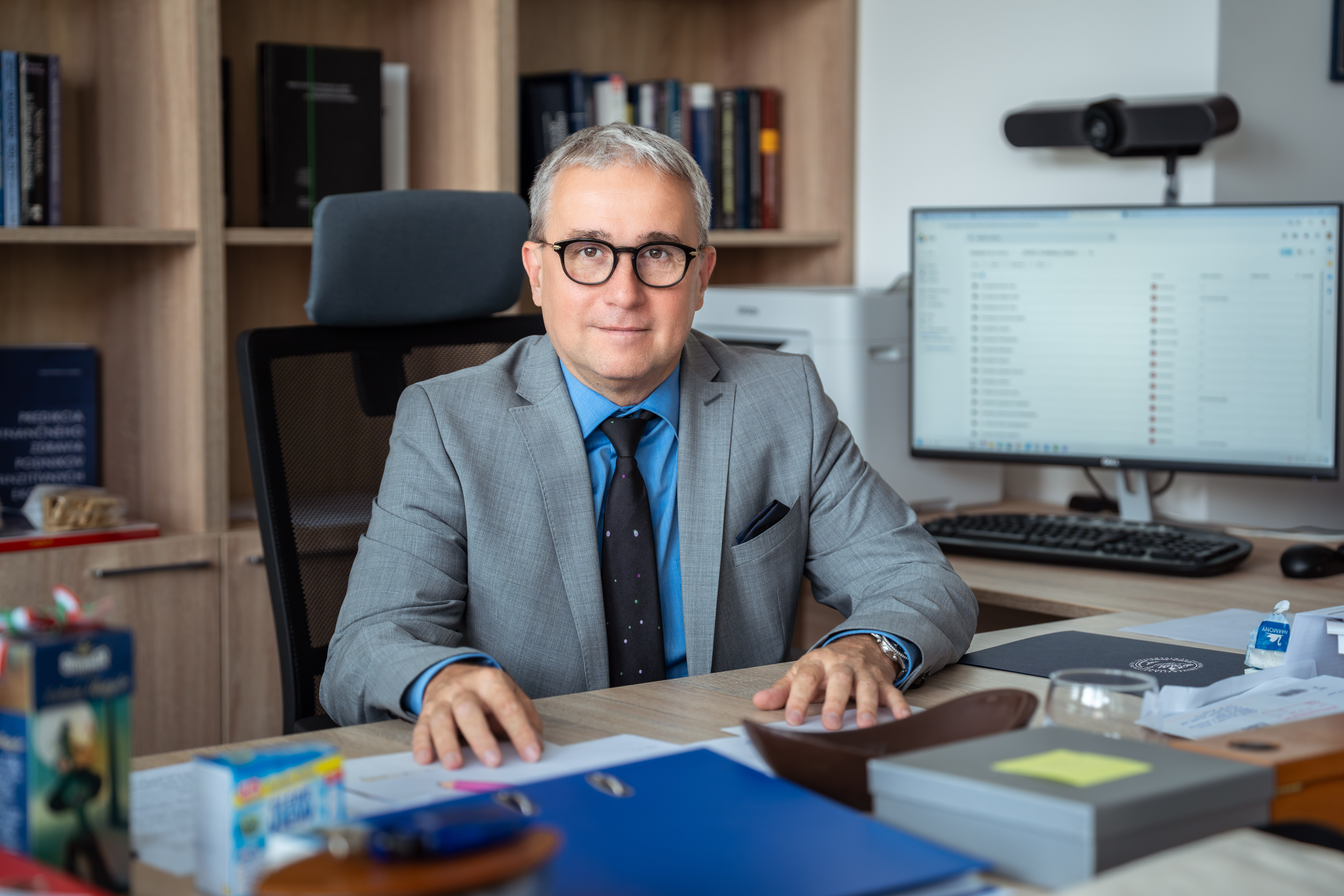
After fifteen years, leadership of the department passes from Prof. Cisko to Prof. Tomáš Klieštik, one of the original members of the founding team.
2015
2025
25th Anniversary of the Department
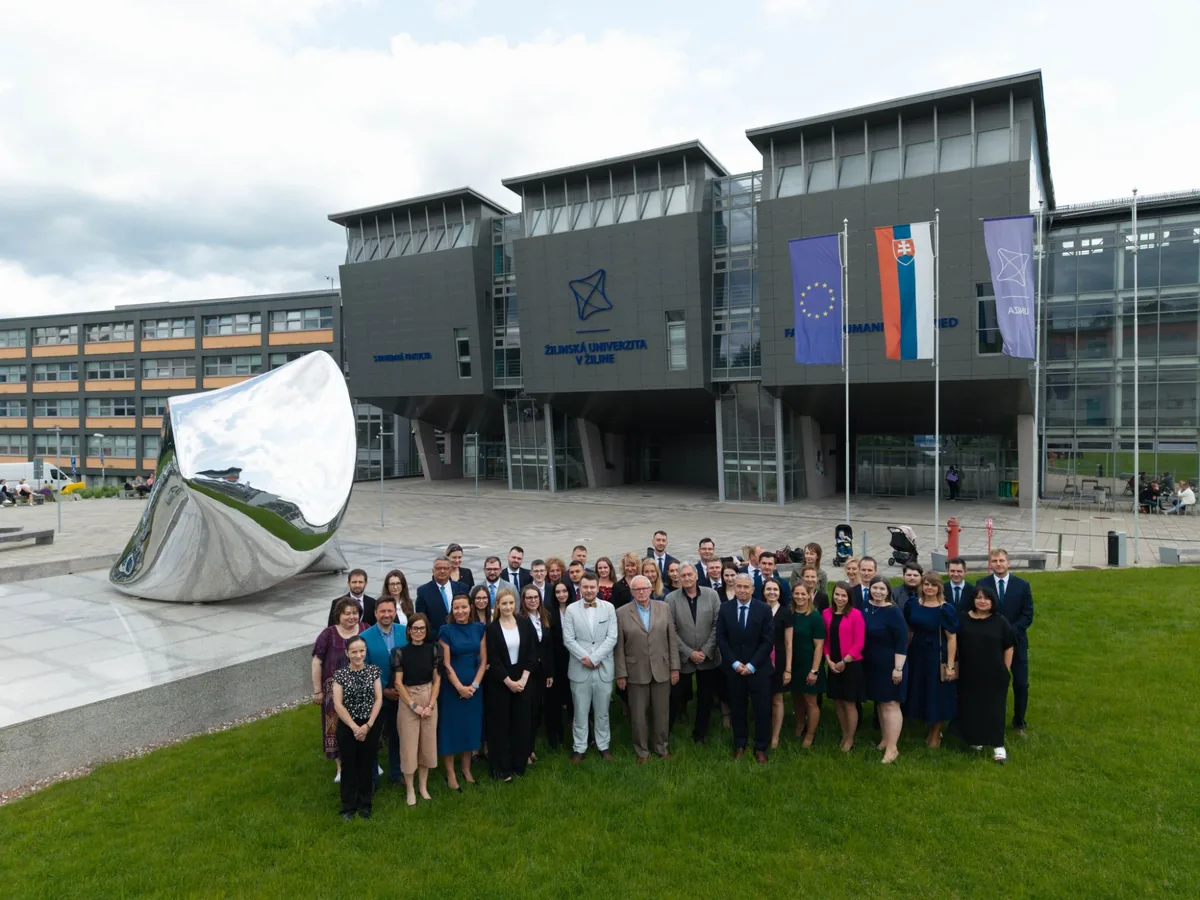
The department marks a quarter century with more than 5,300 graduates, two accredited study programmes, and nearly 20 habilitations.